
How Safety Films Help Protect Sliding Glass Doors from Wind Damage
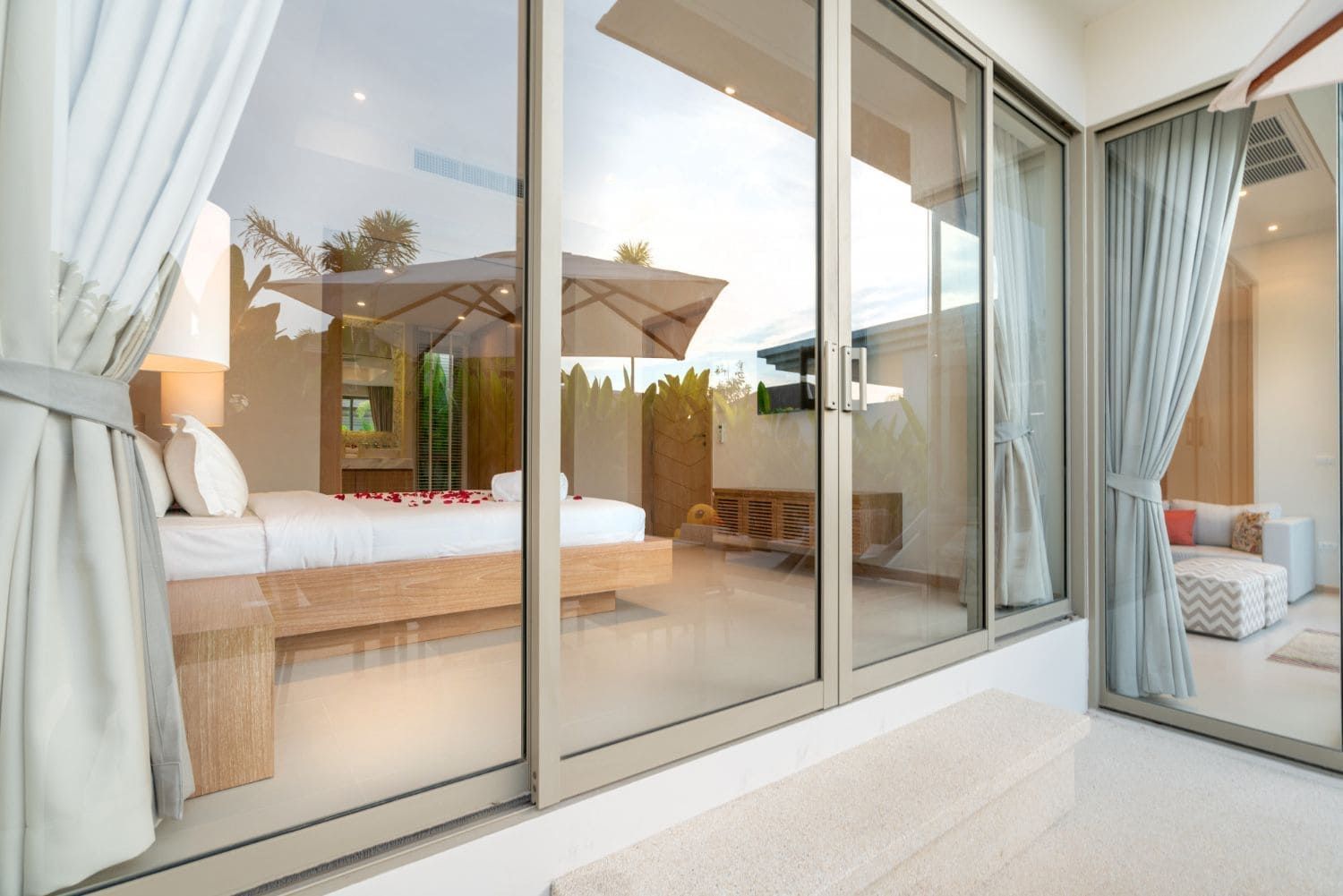
Sliding glass doors can really open up a room. They let in sunlight, offer a clear view outside, and make it easy to move between indoor and outdoor spaces. But when strong winds roll through, especially during storm season in places like Southern New Hampshire and Greater Boston, these same doors can become weak spots in the home.
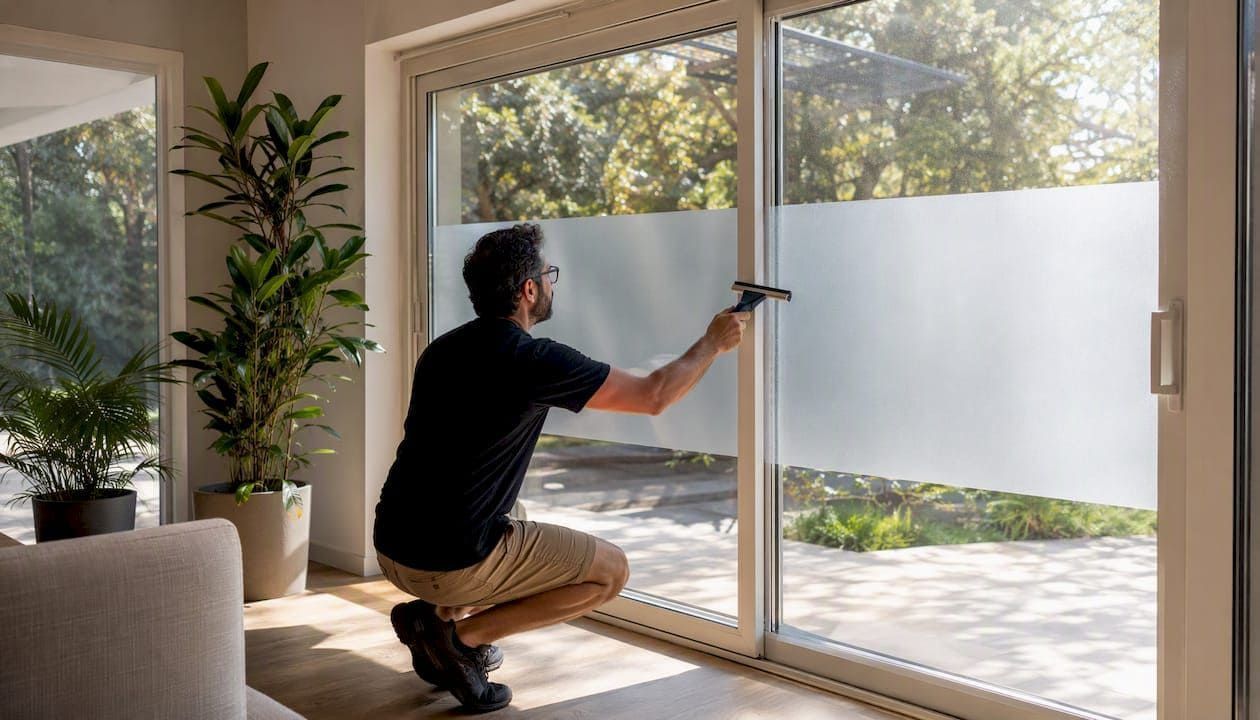
Wind pressure and sudden gusts can stress the large glass panels found in sliding doors. That’s where safety films make a difference. They’re built to help hold glass together and add strength where it’s needed most. When safety film includes sliding door window tinting, it can create comfort benefits that go beyond weather protection.
Why Sliding Glass Doors Are at Risk During Windy Weather
Glass may look strong, but in high winds, it doesn’t take much to weaken it. Sliding glass doors are made with large panes that shift and flex as outdoor conditions change. When storms hit, that extra surface area becomes a target.
There are a few reasons these doors struggle during harsh weather:
• Larger panels catch wind pressure more easily, which puts stress on the glass.
• Debris kicked up by strong gusts can strike the door suddenly, cracking or breaking it.
• Older sliding doors may not be built to handle modern wind speeds, especially if the frames or tracks are worn.
Even newer doors can show signs of strain after a few hard winters or strong spring storms. Standing near them on a windy day, you can sometimes feel the vibration or hear the pressure. Adding a layer of safety film creates a buffer that helps support the glass before too much strain builds up.
What Safety Film Does for Glass Doors
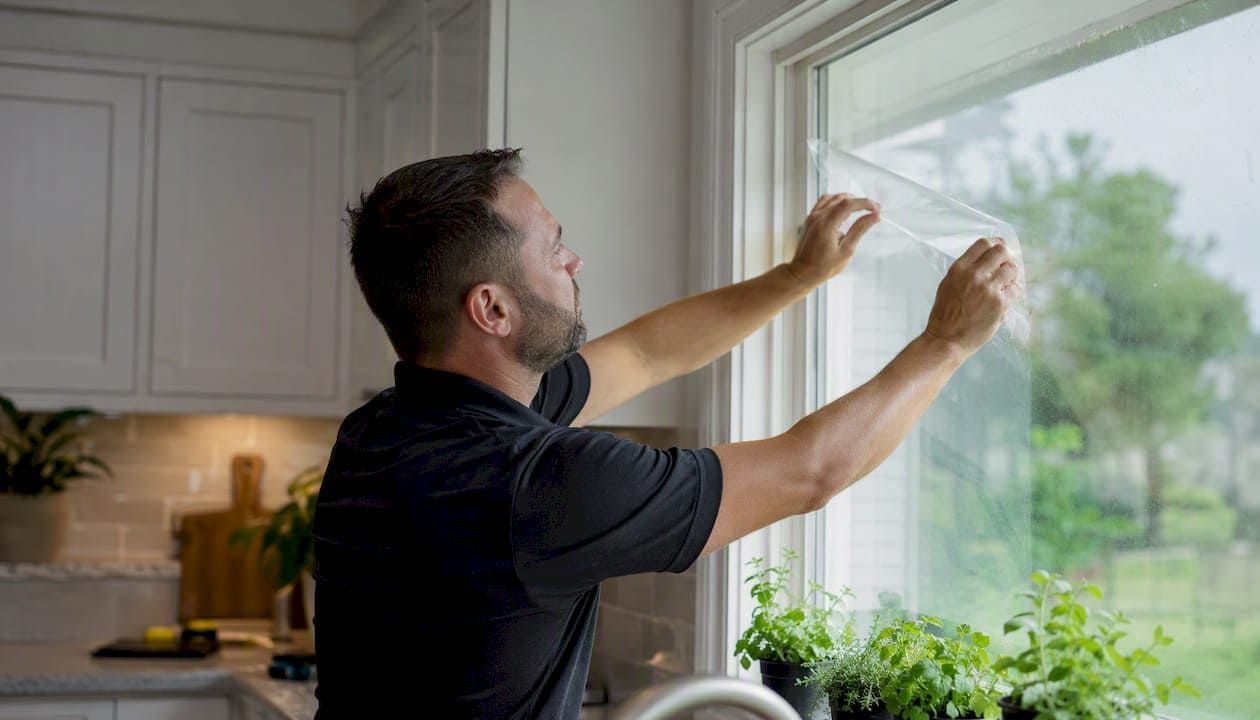
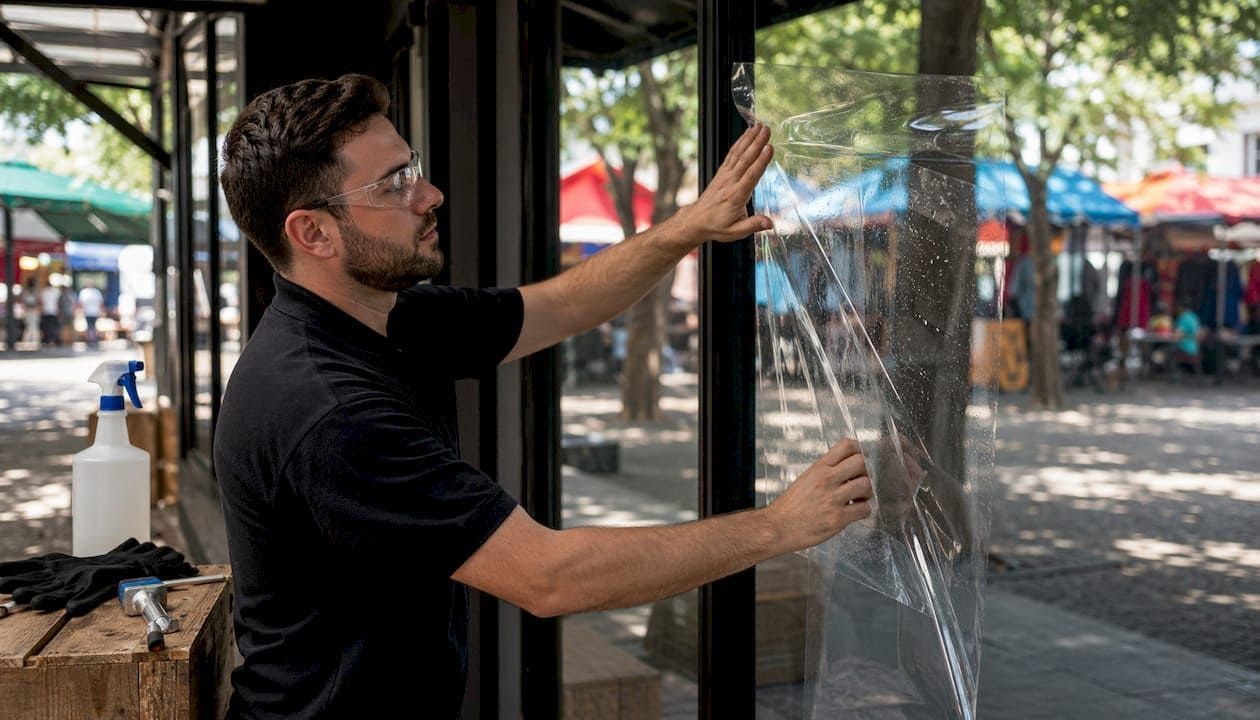
Safety film works like a clear skin that bonds to the surface of the glass. Once applied, it becomes a protective layer that helps keep the pane in one piece, even if something hits it. These safety and security films are designed to hold glass together even when it is shattered, providing an extra layer of protection during severe weather or impact events.
Here’s how it helps in a storm:
• It holds cracked glass together so it doesn’t shatter into sharp pieces.
• It reduces the risk of someone getting cut or hurt by loose shards.
• It strengthens the door without changing how it opens, closes, or looks.
You can still enjoy the view through the glass, because safety film doesn’t block visibility. The benefit is quieter protection. It’s always there, even if you forget about it. That's especially helpful in stormy seasons, when weather can turn quickly without much notice. That added strength helps defend against break-ins, flying debris, and harsh New England weather that can put sudden pressure on large glass doors.
How Sliding Door Window Tinting Adds Extra Value
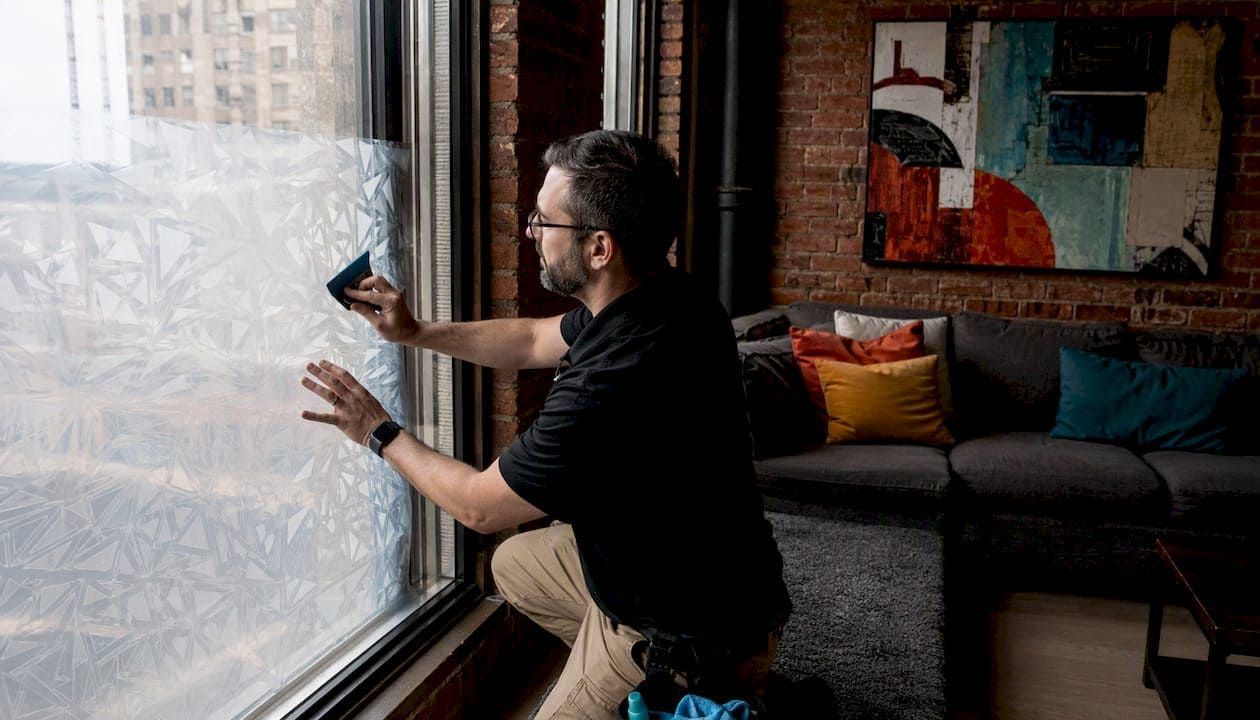
Safety features are just one part of the benefit. Many safety films used for sliding doors include tinting, which gives your home a few more advantages beyond weather protection.
Some everyday improvements include:
• Blocking out UV rays that usually fade hardwood floors, rugs, and furniture.
• Cutting down on solar heat, which keeps rooms cooler in summer and warmer in winter.
• Helping with glare control so light doesn’t reflect harshly on screens or glass tables.
Sliding door window tinting pairs with safety film to do more than just toughen the glass. During cold snaps or sunny afternoons, it helps with managing temperature. The door becomes both safer and more useful year-round, not just in wind season. Residential safety and security films used on homes can block up to 99% of the sun’s harmful UV rays, which helps protect both people and interior finishes from long-term sun damage.
Common Places Where Safety Film Makes the Most Sense
Most homes in the Southern New Hampshire and Greater Boston Area experience a mix of weather throughout the year. With so much glass space, sliding doors can make certain rooms feel drafty in winter, or take the brunt of high winds in early spring.
Here are some situations where safety film tends to be most helpful:
• Ground-level patio doors that open directly into yards or decks, where debris can blow across during storms.
• Condo sliding doors or balconies several floors up that are exposed to crosswinds.
• Ocean-facing or hillside properties where gusts tend to hit glass with more force.
• Older homes with original doors that feel thin or rattle during wind events.
These aren’t just problem areas during hurricanes or blizzards. Regular windstorms between February and April can blow hard enough to test the strength of sliding glass doors.
A Simple Fix for Big Weather Problems
We can’t always predict what kind of weather each season will bring. Late winter and early spring can be unpredictable in the Northeast. Cold air pushes in, warm days pop up, and wind becomes common leading into March.
Adding safety film is one practical way to handle all of that. It doesn’t take away from how you use your sliding door. You still get the light and views that make those spaces feel so open. What changes is the extra support working in the background when wind picks up.
With February being a good time to make small upgrades before storms move in, reinforcing your sliding doors means you can step into spring with less to worry about. Strong weather may be part of life in Southern New Hampshire and Greater Boston, but glass that’s ready for it can make that part easier.
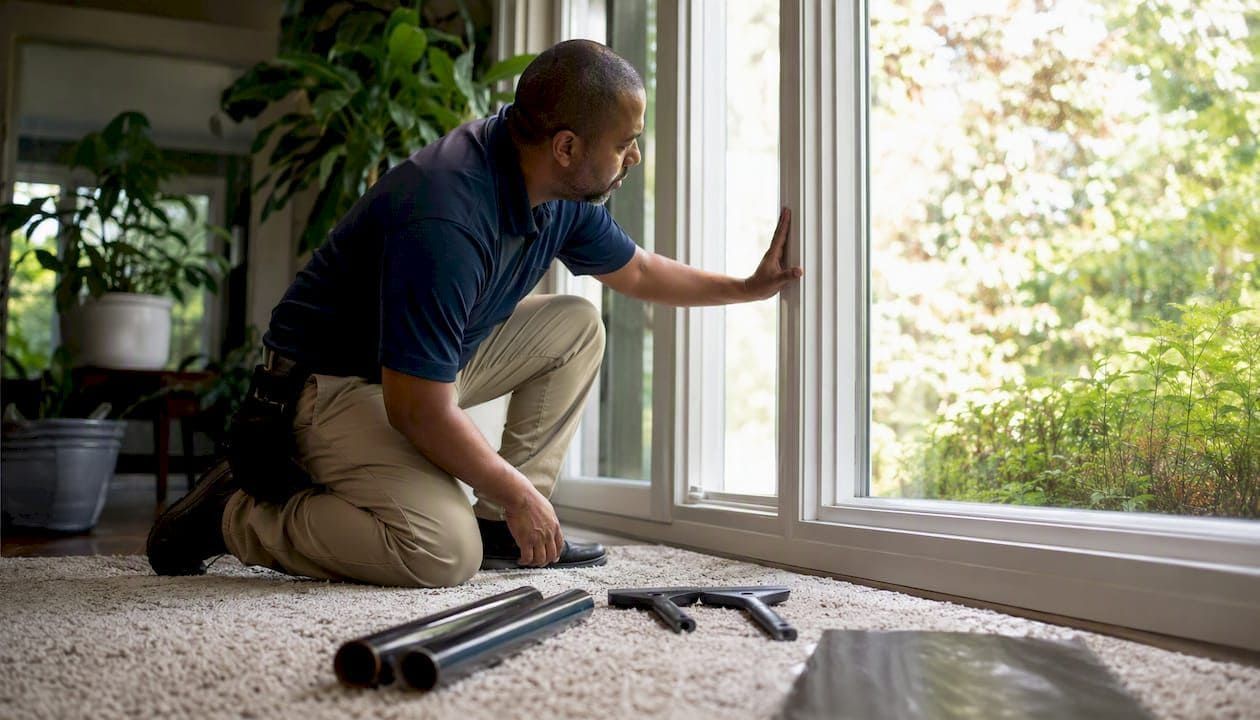
If wind is a concern around your sliding doors, installing the right film can offer peace of mind without changing the look or function of your space. We apply safety layers that strengthen the glass with added benefits like UV protection and comfort control. By combining these features with sliding door window tinting, your home stays safer and more balanced no matter what the season brings. At Surface Dynamics Window Tinting, we help homeowners across Southern New Hampshire and Greater Boston get ahead of weather worries with smart upgrades. Give us a call to talk through your options.