
Tinted glass privacy: boost comfort & efficiency in 2026
Most people associate window tinting with cars, not homes or office buildings. But tinted glass is quietly becoming one of the smartest upgrades for homeowners and property managers across Southern New Hampshire and Greater Boston. It addresses three problems at once: unwanted outside visibility, rising energy bills, and uncomfortable glare. If you have ever sat in a sun-drenched living room squinting at your screen or felt uneasy about street-level views into your first-floor office, this guide is for you. Here, we break down exactly how tinted glass privacy works, where it excels, and how to choose the right solution for your specific property.

Table of Contents
- How tinted glass privacy works
- Strengths and limits of tinted glass privacy
- Privacy plus: Energy savings and comfort in New England homes and businesses
- Choosing the right tinted glass solution for your property
- Our take: Why most people underestimate tinted glass privacy
- Get the right tinted glass privacy solution for your property
- Frequently asked questions
Key Takeaways
| Point | Details |
|---|---|
| Daytime privacy solution | Tinted glass gives you privacy from outside views during the day while still letting in natural light. |
| Energy efficiency bonus | Upgrading with privacy tint can lower your heating and cooling costs by up to 30% in New England climates. |
| Right fit for each space | Use tinted glass for daylight privacy but choose frosted or layered solutions for bathrooms or bedrooms. |
| Professional install matters | Top-performing privacy tint needs expert installation for best privacy, efficiency, and durability. |
How tinted glass privacy works
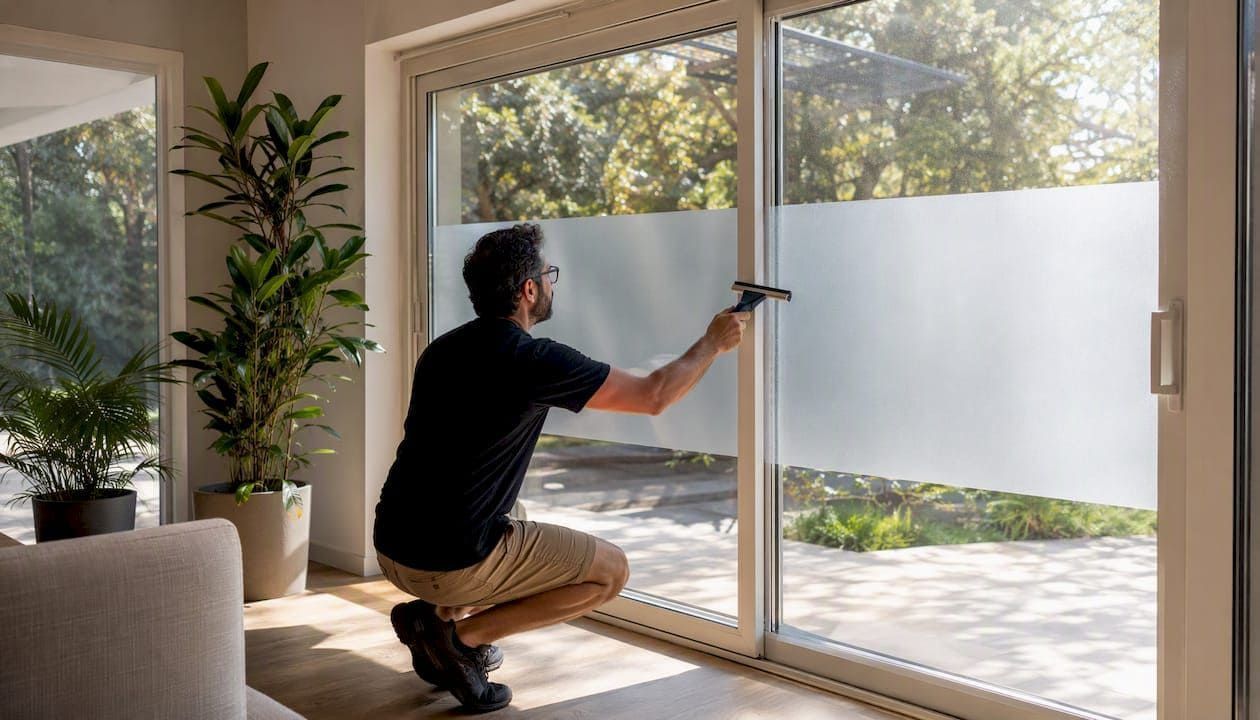
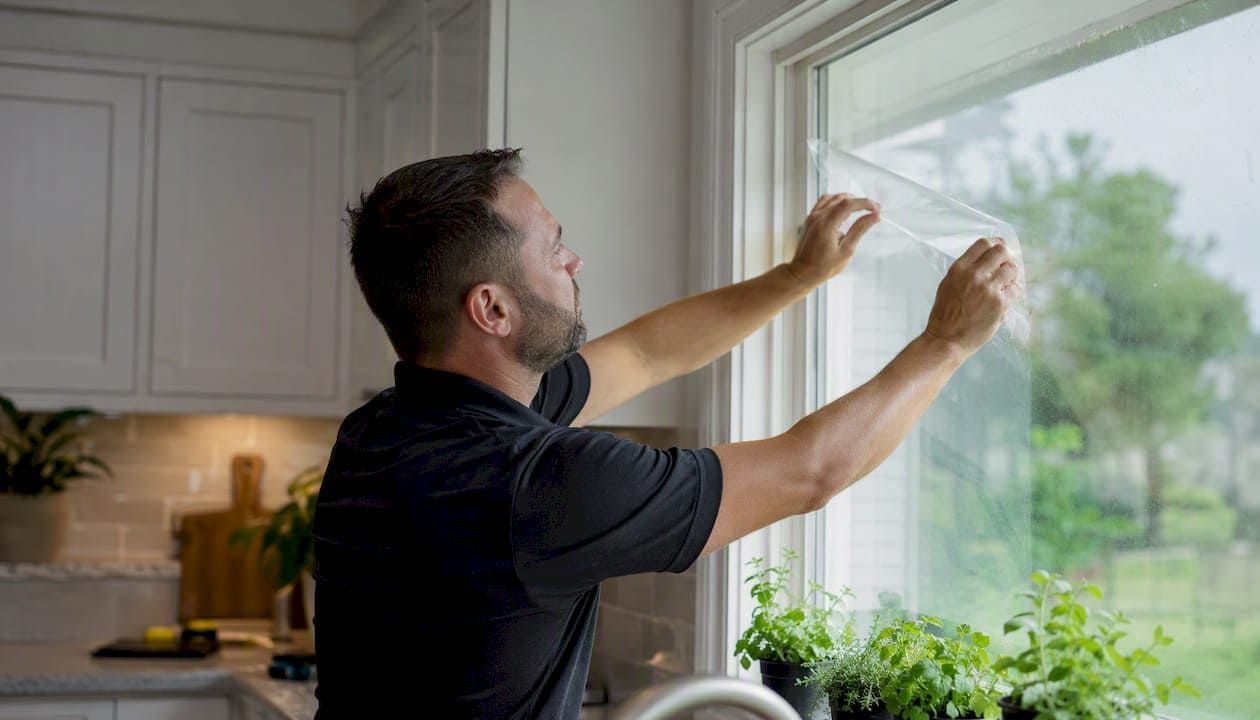
Tinted glass privacy is not about making your windows completely opaque. It works by applying a thin, multi-layer film to the glass surface that controls how much light and heat passes through. The most common effect is a mirror-like exterior finish during daylight hours. People outside see a reflective surface rather than your interior. You, on the other hand, still enjoy a clear outward view.
The home window tinting benefits go well beyond privacy. Modern window films are engineered to reject solar energy before it enters your space. That means less heat buildup in summer, reduced strain on your air conditioning, and a noticeably cooler interior. In New England's four-season climate, that matters a lot.
Here is what quality window film delivers:
- Daytime privacy through a reflective exterior surface
- Solar heat rejection that keeps interiors cooler in summer
- UV ray blocking up to 99%, protecting furniture, flooring, and artwork from fading
- Glare reduction for screens, workstations, and living spaces
- Year-round insulation that helps retain heat during cold New Hampshire winters
The energy numbers are significant. Window film can reduce solar heat gain by 50 to 80%, lower cooling costs by 20 to 50%, and boost a single-pane window's R-value (a measure of insulation) by up to 120%. That is a meaningful upgrade without replacing your windows.
| Benefit | Impact |
|---|---|
| Solar heat gain reduction | 50 to 80% |
| Cooling cost savings | 20 to 50% |
| UV ray blockage | Up to 99% |
| R-value improvement | Up to 120% |
| Glare reduction | Significant, film-dependent |
For New England properties, this combination of privacy and energy performance is hard to match with any single product. The top 5 benefits of tinting your home windows make a compelling case for film over glass replacement, which costs far more and takes longer to install.
Strengths and limits of tinted glass privacy
Tinted glass is genuinely impressive during the day. The reflective exterior creates a strong privacy barrier for street-level views, neighboring properties, and foot traffic. For living rooms, home offices, storefronts, and conference rooms, it works extremely well.
But there is a critical limitation you need to understand before committing. The mirror effect depends on the outside being brighter than the inside. Once the sun goes down and you turn on interior lights, that dynamic flips. The outside becomes darker, the inside becomes brighter, and anyone outside can see in clearly. This is sometimes called privacy reversal.
"Tinted glass is not a substitute for full-time privacy needs. Think of it as layered protection."
This matters most for bedrooms, bathrooms, and any space where you need privacy around the clock. As noted in guidance on choosing between glass types, tinted glass is ineffective at night when the interior is lit, provides less privacy than frosted or obscure glass, and is unsuitable for rooms requiring constant coverage.
Here is how the main glass options compare:
| Feature | Tinted glass | Frosted glass | Standard clear glass |
|---|---|---|---|
| Daytime privacy | High | High | None |
| Nighttime privacy | Low | High | None |
| Heat and glare control | High | Low | None |
| Natural light transmission | Moderate | Diffused | Full |
| Aesthetic flexibility | High | Moderate | Neutral |
For best window film in cold climates, tinted film wins on energy performance. But for spaces needing round-the-clock visual coverage, frosted or decorative films are a better fit.
Pro Tip: Combine window tint with light-filtering blinds or sheer curtains for nighttime privacy. This layered approach gives you the energy and daytime privacy benefits of film while covering the gap after dark.
Shapes and movement can still be partially visible through some tinted films in bright daylight, especially with lighter shades. Choosing the right film darkness and reflectivity for each room is essential.
Privacy plus: Energy savings and comfort in New England homes and businesses
Here is where tinted glass becomes a genuinely smart investment for Southern NH and Greater Boston property owners. It is not just a privacy tool. It is a year-round comfort and efficiency upgrade that pays for itself over time.
Consider a typical summer day in Manchester or Nashua. South-facing windows pour heat into your living room or open-plan office. Your HVAC system works overtime. Energy bills climb. Window film intercepts that solar energy before it ever enters the room. Your system runs less. You stay comfortable. The energy savings calculator on our site can show you estimated savings for your specific property.
Tinted films reduce HVAC loads and cooling costs by 20 to 50% and boost window R-value in cold climates, which means you are also retaining more heat in winter. That is a two-season benefit from one installation.
Here are practical scenarios where this plays out:
- Summer cooling: Film blocks solar heat gain, reducing air conditioning run time and lowering monthly bills.
- Winter insulation: Certain films add an insulating layer that slows heat loss through glass during cold snaps.
- Glare-free workspaces: Employees and residents avoid screen glare without closing blinds and losing natural light.
- Furniture and floor protection: UV-blocking film prevents fading of hardwood floors, rugs, and upholstery over years of sun exposure.
- Consistent comfort zones: Rooms that were previously too hot or too cold become usable year-round.
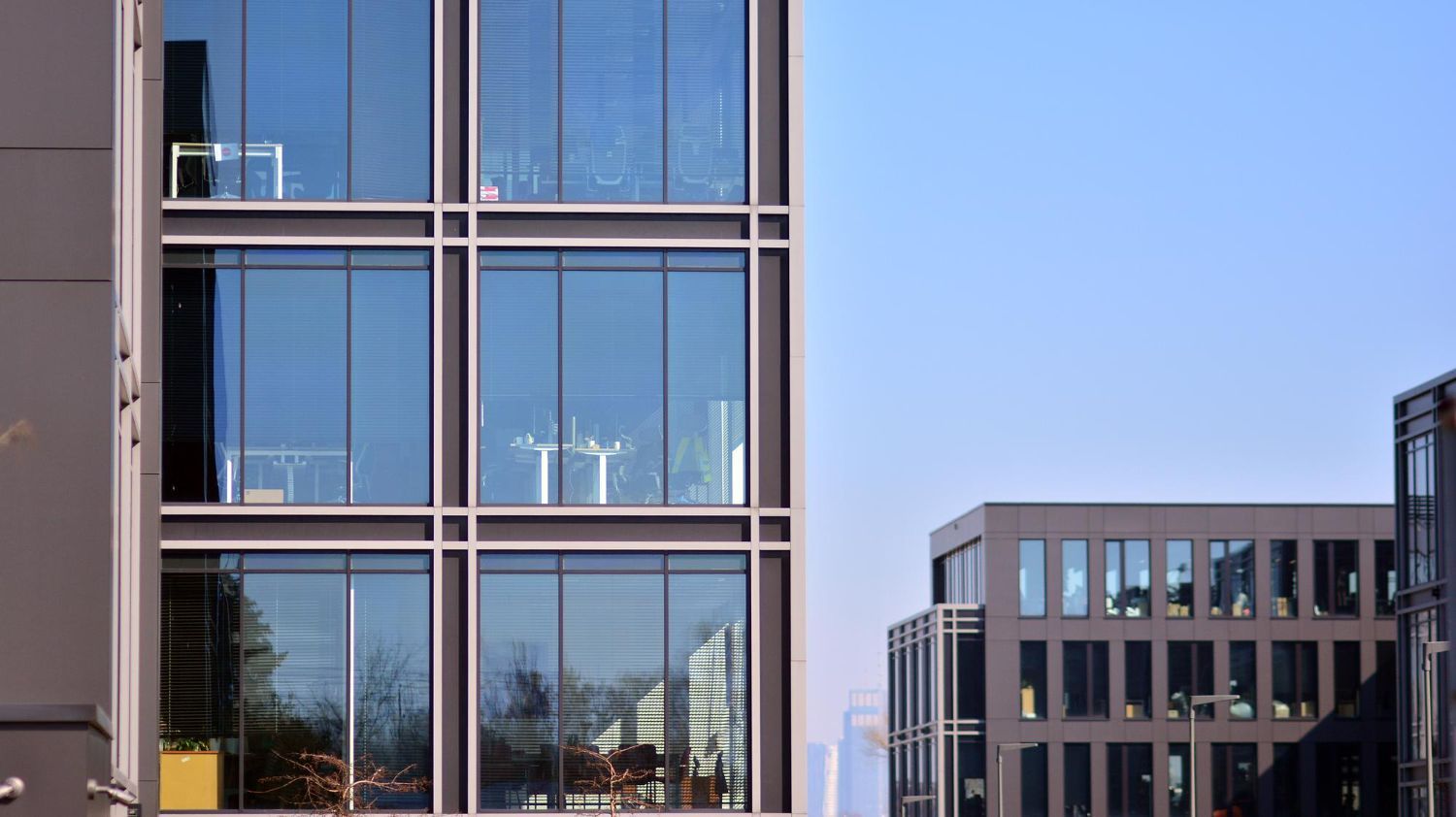
For commercial properties, the impact scales up. A commercial window film installation across a multi-story office building in Boston can produce thousands of dollars in annual energy savings while improving the working environment for everyone inside. Property managers consistently report improved tenant satisfaction after installation.
The window film for cold climates options we recommend are specifically selected for New England conditions, where both summer heat and winter cold demand a film that performs across the full temperature range.

Choosing the right tinted glass solution for your property
Not all window films are the same. Choosing the wrong product for a specific room or use case is the most common mistake we see. Here is how to think through the decision.
Film technology matters. The two most effective categories for privacy and energy performance are nano-ceramic films and dual-reflective films. Nano-ceramic films use microscopic ceramic particles to block heat and UV without a heavy metallic look. They are ideal for spaces where you want clarity and performance without a strong mirror effect. Dual-reflective films have a more reflective exterior and a softer interior appearance, making them excellent for daytime privacy in living rooms, offices, and storefronts.
As detailed in our residential window films guide, nano-ceramic and dual-reflective films offer both privacy and maximum energy efficiency, and results are best when installed by local professionals who understand your climate.
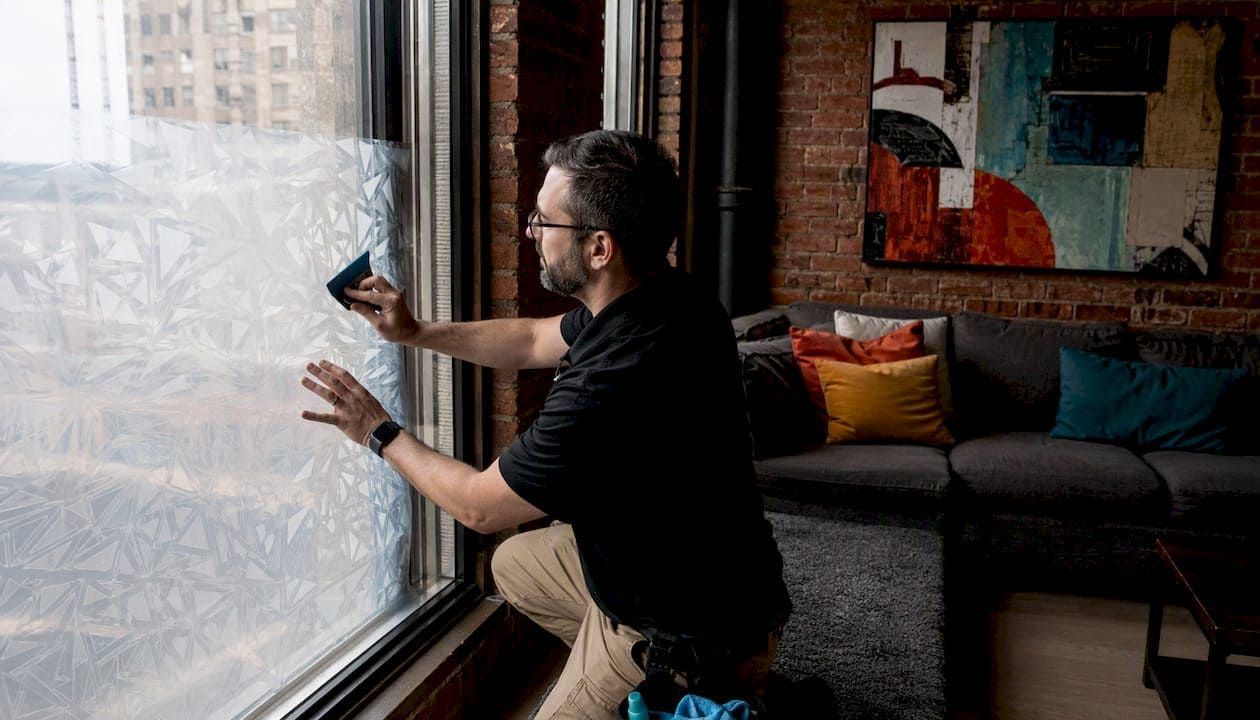
Match the film to the room. Living rooms and offices benefit from dual-reflective films. Bedrooms may need frosted or decorative privacy film for nighttime coverage. Bathrooms almost always require frosted or opaque film. Commercial storefronts often use dual-reflective for brand appearance and privacy.
Pro Tip: Always request a professional site assessment before choosing a film. A qualified installer will evaluate window orientation, sun exposure, and your privacy goals to recommend the right product for each space.
Here is what to look for when evaluating an installer:
- Manufacturer certifications (such as LLumar SelectPro Dealer status)
- Documented local installation experience in New England climates
- Verified customer reviews and before-and-after project photos
- Written warranty on both film and installation labor
- Willingness to provide a detailed, itemized estimate
For commercial window tinting projects, also ask about experience with multi-floor buildings, tenant coordination, and compliance with local building codes.
Our take: Why most people underestimate tinted glass privacy
After working with homeowners and property managers across Southern NH and Greater Boston, we have noticed a consistent pattern. People assume tinted glass is a simple product where darker equals better. It is not. The film type, reflectivity level, and installation quality matter far more than the shade of tint.
We also see people install tint in the wrong rooms expecting full-time privacy, then feel disappointed when it does not deliver at night. That is not a product failure. It is a planning failure. The right conversation with our window tinting experts before installation prevents that entirely.
New England's climate adds another layer of complexity. A film that performs well in a mild climate may underperform here. You need a product engineered for both summer heat rejection and winter insulation. One-size-fits-all solutions almost always leave performance on the table. The best outcomes come from treating each property as unique, matching film technology to room function, sun exposure, and your actual privacy goals.
Get the right tinted glass privacy solution for your property
Seeing is believing when it comes to window film. Before committing to any product, use our residential film viewer to visualize how different films look on your type of windows. It takes the guesswork out of the decision entirely.
When you are ready to move forward, our team provides fast, no-pressure
free tinting estimates for homes and commercial properties across
Southern NH and Greater Boston. We handle everything from film selection to professional installation, ensuring you get maximum performance and a clean finish. You can also explore how window film can
enhance home security beyond privacy and energy savings.
Reach out today and let us help you find the right solution for every room in your property.
Frequently asked questions
Does tinted glass provide privacy at night?
Tinted glass privacy works best during daylight hours. At night, when interior lights are on, the mirror effect reverses and people outside can see in, so additional window coverings are recommended for nighttime privacy.
What spaces are best suited for tinted glass privacy?
Tinted glass works well in living rooms, offices, and storefronts where daytime privacy is the priority. It is not ideal for bathrooms or spaces requiring full-time visual coverage, where frosted or decorative film is a better choice.
How much can tinted glass reduce energy costs?
Quality window film can lower cooling costs by 20 to 50% and significantly improve window insulation, making it especially effective in the four-season climate of Southern NH and Greater Boston.
What is the difference between tinted and frosted glass?
Tinted glass delivers daytime privacy along with heat and glare reduction, while frosted glass provides constant privacy with diffused light and minimal energy performance. Your choice depends on whether privacy or energy efficiency is the primary goal.
Recommended