
Residential Film Types Guide for Homeowners
TL;DR:
- Residential window film is a multi-layer polyester sheet applied to glass surfaces to control heat, light, UV radiation, privacy, and security. Solar control films are the most popular for homes, reflecting solar energy to keep rooms cooler and blocking up to 99% of UV rays. Privacy, security, Low-E, and decorative films match specific needs, with professional installation essential for best performance.
Residential window film is defined as a thin, multi-layer polyester sheet applied directly to glass surfaces to control heat, light, UV radiation, privacy, and security. The industry term "window film" covers far more than darkening glass. Window film is a broader category that includes energy-saving, decorative, and security products, while "window tint" refers specifically to light-reducing options. This residential film types guide breaks down every major category, including solar control, privacy, decorative, security, and Low-E insulating films, so you can match the right product to your home's specific needs.
1. What are solar control window films and why are they a top choice?
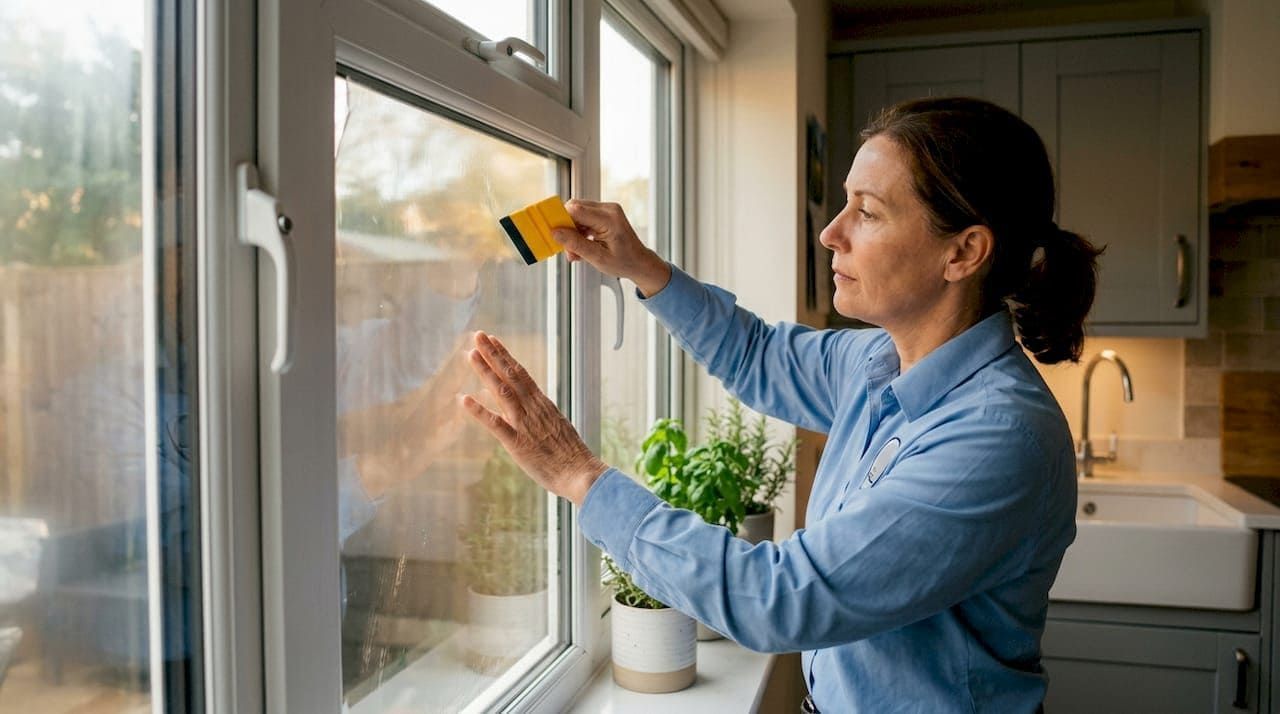
Solar control films are the most widely installed window film option for homes. They work by reflecting and absorbing solar energy before it passes through the glass, which keeps rooms cooler and reduces strain on your air conditioning system. Solar control films reduce indoor temperatures by 30–50%, making them one of the most impactful upgrades you can make to an existing home.
The technology behind these films has advanced significantly. Older dyed films fade over time and can interfere with Wi-Fi and cell signals. Ceramic spectrally selective films reject heat without those drawbacks, maintaining signal clarity and lasting far longer. Premium ceramic options, including the LLumar Vista Solar Control Series carried by Surfacetint, reject 51%–82% of total solar energy (TSER), compared to just 14% for untreated clear glass.
UV protection is a major secondary benefit. Modern residential films block up to 99% of UV rays, protecting hardwood floors, upholstery, and artwork from fading. That level of protection is not available from standard glass alone, regardless of how new your windows are.
South, east, and west-facing windows benefit most from solar control films because they receive the greatest direct sun exposure throughout the day. North-facing windows typically need less intervention, which means you can prioritize your budget on the windows that matter most.
- Reduces indoor temperatures by 30–50%
- Blocks up to 99% of UV radiation
- TSER ratings of 51%–82% for ceramic films vs. 14% for clear glass
- No Wi-Fi or cell signal interference with ceramic options
- Best applied to south, east, and west-facing windows
Pro Tip: Choose a mid-level visible light transmission (VLT) rating, typically 40%–60%, to balance natural daylight with heat and glare control. Going too dark can make rooms feel dim and reduce the appeal of your views.
2. How do privacy and decorative window films enhance home comfort and style?
Privacy films solve a problem that curtains and blinds cannot: they block outside visibility while still letting natural light into the room. Privacy and decorative films allow light to pass through while preventing neighbors or passersby from seeing inside, which makes them ideal for bathrooms, entryways, sidelights, and street-facing rooms.
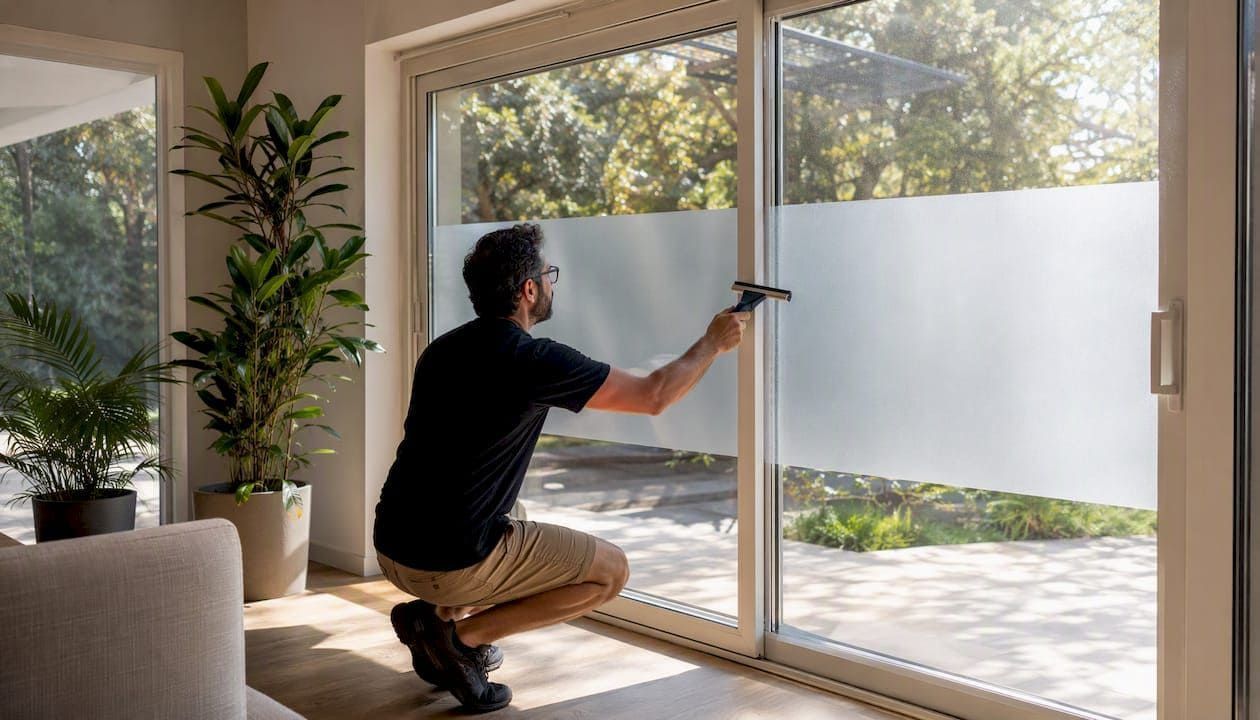
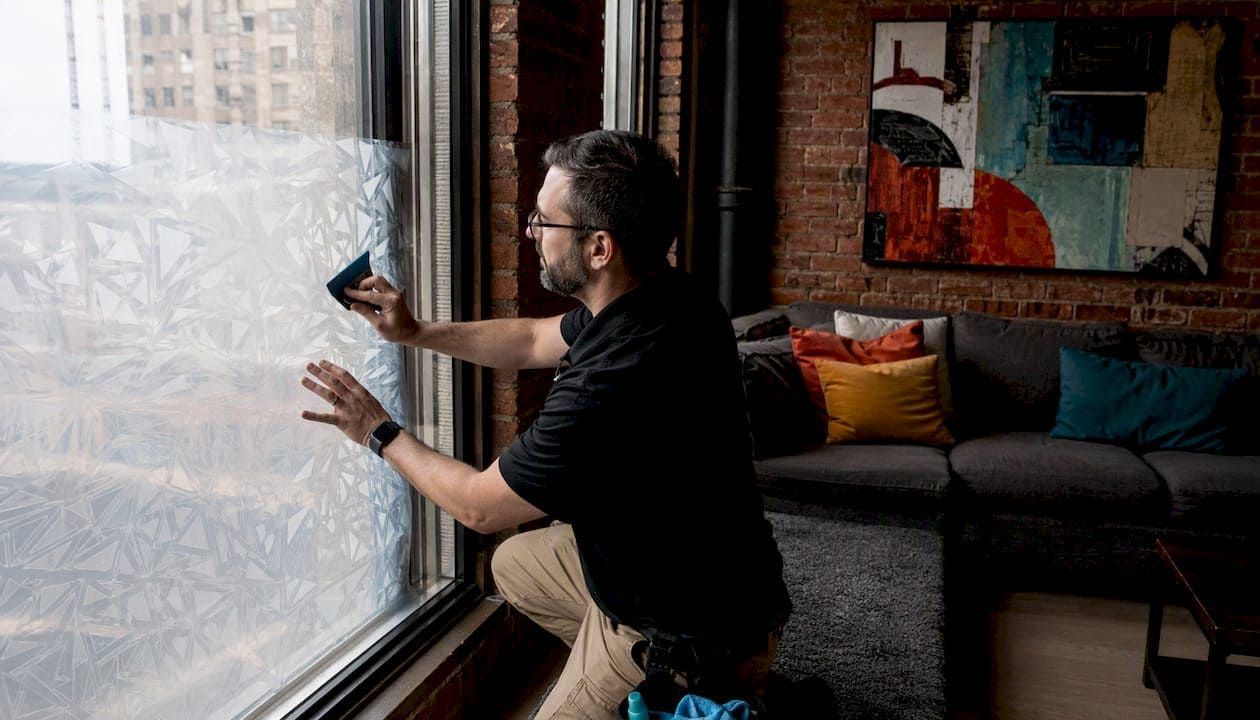
Decorative film options cover a wide range of styles. Frosted films mimic the look of etched glass at a fraction of the cost. Patterned films add geometric or organic designs to plain glass. Gradient films transition from opaque at the bottom to clear at the top, giving you privacy at eye level while preserving your view of the sky. Translucent and opaque styles are both available, depending on how much light you want to retain.
The applications go beyond bathrooms. Interior glass partitions, stair railings, and cabinet doors all benefit from decorative film. Property managers use these films to modernize older buildings without replacing glass, which keeps renovation costs low. Homeowners use them to add a custom, high-end look to standard builder-grade windows.
- Frosted films: mimic etched glass, diffuse light evenly
- Patterned films: add visual interest to plain windows and doors
- Gradient films: privacy at eye level, open views above
- Opaque films: full privacy for utility rooms or street-facing glass
- Interior applications: partitions, cabinet glass, shower enclosures
Pro Tip: For bathrooms, choose a frosted or patterned film that covers the lower two-thirds of the window. This gives you privacy from outside while allowing daylight to enter from the upper portion of the glass.
3. What features set security and safety films apart?
Security window films are the thickest and most structurally reinforced category in the residential film types guide. Standard glass shatters into sharp shards when broken. Security films hold glass shards together upon breakage, which reduces injury risk during accidents, storms, and forced entry attempts.
The deterrence factor is real. A window held together by security film takes significantly longer to breach than bare glass. That delay discourages opportunistic break-ins, since most burglars abandon an entry attempt within 60 seconds. Ground-floor windows, sliding glass doors, and garage entry doors are the highest-priority locations for security film in most homes.
Security films are available in versions that also provide solar control and UV protection, so you do not have to choose between safety and comfort. Surfacetint installs LLumar Vista Safety and Security Films, which combine shatter resistance with clear or lightly tinted finishes. You can learn more about security film options for residential properties to find the right thickness and finish for your situation.
- Holds glass together during impact, reducing injury risk
- Deters forced entry by slowing glass breach
- Available with solar control and UV protection features
- Best applied to ground-floor windows, sliding doors, and entry points
- Compatible with both clear and tinted finishes
Some homeowners also find that security film provides insurance benefits. Certain carriers recognize shatter-resistant film as a security upgrade, which can affect your premium. Check with your insurer before installation to document the upgrade properly.
4. What are Low-E and insulating window films?
Low-Emissivity (Low-E) window films are designed for year-round energy efficiency, not just summer heat rejection. Low-E films reflect interior heat back indoors during winter and block solar heat gain in summer, which means a single film investment improves comfort in both seasons.
This makes Low-E films particularly valuable for older homes in New England and the Greater Boston Area, where winters are cold and summers are increasingly warm. Single-pane windows and basic double-pane windows lose significant heat in winter. Low-E film adds a thermal layer without requiring full window replacement, which costs a fraction of new window installation.
Matching the film to your glass type is critical. Film compatibility with your glass type determines whether the installation is safe and effective. Applying the wrong film to tempered or existing Low-E glass can cause thermal stress cracks or seal failure in double-pane units. A professional assessment before installation prevents costly mistakes.
| Film type | Best season | Best glass type | Primary benefit |
|---|---|---|---|
| Low-E insulating film | Winter and summer | Single and basic double-pane | Heat retention and solar rejection |
| Solar control ceramic film | Summer | Most glass types | Heat and glare reduction |
| Standard solar film | Summer | Single-pane | Basic heat and UV reduction |
Pro Tip: If your home has south-facing rooms that overheat in summer and feel cold in winter, Low-E film is the single best film type to address both problems at once. Pair it with a professional window orientation assessment for maximum results.
Key takeaways
The right residential window film type depends on your climate, window orientation, and whether you prioritize energy savings, privacy, security, or aesthetics.
| Point | Details |
|---|---|
| Solar control films top energy savings | Ceramic films reject 51%–82% of solar energy, far outperforming untreated glass at 14%. |
| UV protection is universal | All quality residential films block up to 99% of UV rays, protecting furnishings from fading. |
| Security films deter forced entry | Shatter-resistant films hold glass together, slowing breach attempts at ground-floor entry points. |
| Low-E films work year-round | They retain interior heat in winter and block solar gain in summer, ideal for older windows. |
| Professional installation matters | Matching film to glass type prevents thermal stress cracks and ensures a lasting, clean finish. |
What I've learned after years of watching homeowners choose window film
The most common mistake I see is treating window film as a single product category. Homeowners call asking for "tint" when what they actually need is a Low-E insulating film for a cold bedroom or a security film for a ground-floor sliding door. Window film and window tint are not the same thing, and choosing the wrong category means paying for a product that does not solve your actual problem.
Climate and window orientation matter more than most people realize. A ceramic solar control film is the right call for a west-facing living room in Southern New Hampshire that bakes every afternoon from june through september. That same film on a north-facing bedroom adds almost no value. Climate and window orientation should drive every film selection decision, not just aesthetics or price.
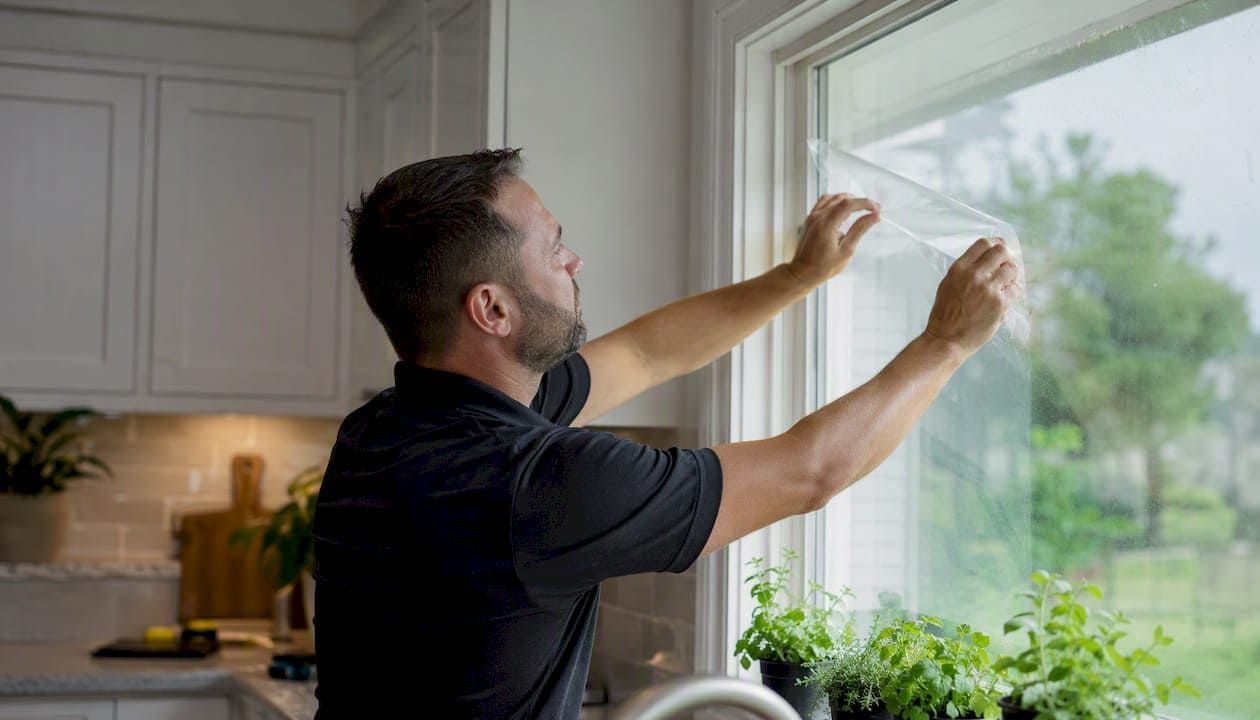
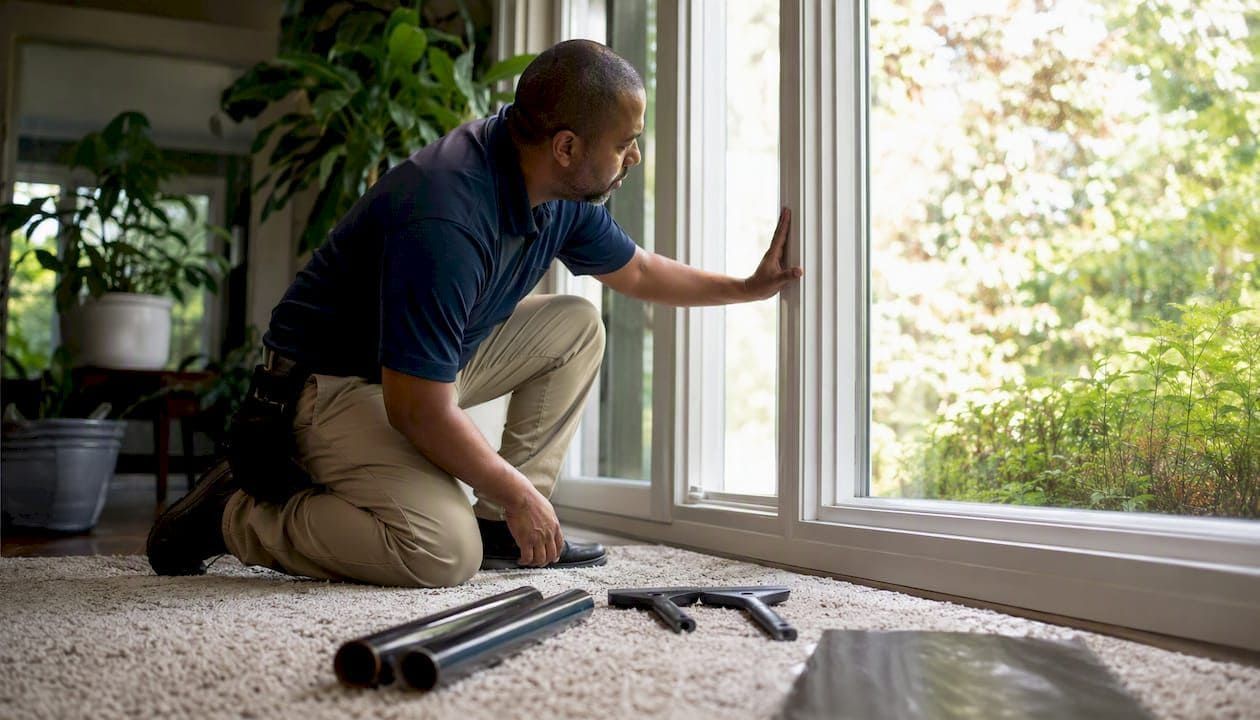
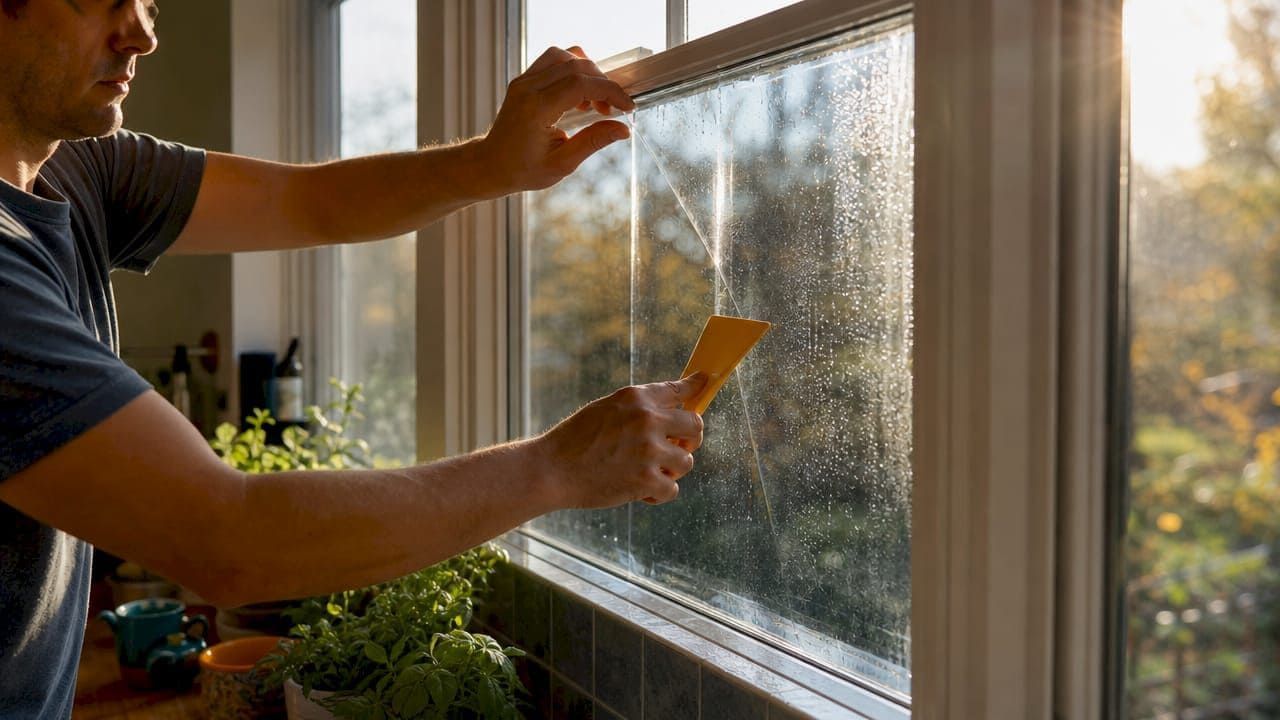
DIY installation is where I see the most regret. Professional installation requires specialized tools including stainless steel squeegees, heat guns, and careful surface preparation. Without them, you get bubbles, dust trapped under the film, and peeling edges within months. The film itself may be quality. The finish will not be.
My honest recommendation: start with a room-by-room assessment of what problem you are actually trying to solve. Then match the film type to that problem, not the other way around. If you are not sure, a professional consultation costs nothing and saves you from an expensive mismatch.
Surfacetint's residential window film services for Southern New Hampshire and Greater Boston
Surfacetint serves homeowners and property managers across Southern New Hampshire and the Greater Boston Area as an exclusive LLumar SelectPro Dealer. The film lineup covers every category in this guide: LLumar Vista Solar Control Films, Safety and Security Films, and Decorative Privacy Films.
Every project starts with a free estimate. Surfacetint's installation team assesses your windows, glass type, and orientation before recommending a film. That process prevents the thermal stress and seal failure that come from mismatched products. You can view completed projects in the residential tinting photo gallery or request your free residential window tinting estimate to get started with a personalized recommendation.
FAQ
What is the difference between window film and window tint?
Window film is the broader category covering solar control, security, decorative, and insulating products. Window tint refers specifically to films that reduce visible light transmission.
Which window film type saves the most energy?
Low-E insulating films provide the best year-round energy savings by retaining heat in winter and blocking solar gain in summer. Solar control ceramic films are the top choice for summer-only heat reduction.
Can window film be applied to double-pane windows?
Yes, but film selection must match the glass type. Certain films applied to existing Low-E or tempered double-pane glass can cause thermal stress cracks or seal failure, so a professional assessment is required before installation.
How long does residential window film last?
Quality ceramic and LLumar Vista films carry manufacturer warranties and typically last well over a decade with proper installation. DIY-installed films often fail within months due to improper surface preparation and application tools.
Do privacy films work at night?
Most daytime privacy films rely on a light differential to block outside views. At night, when interior lights are brighter than outside, visibility reverses. Opaque or blackout films provide privacy at all hours regardless of light conditions.
Recommended